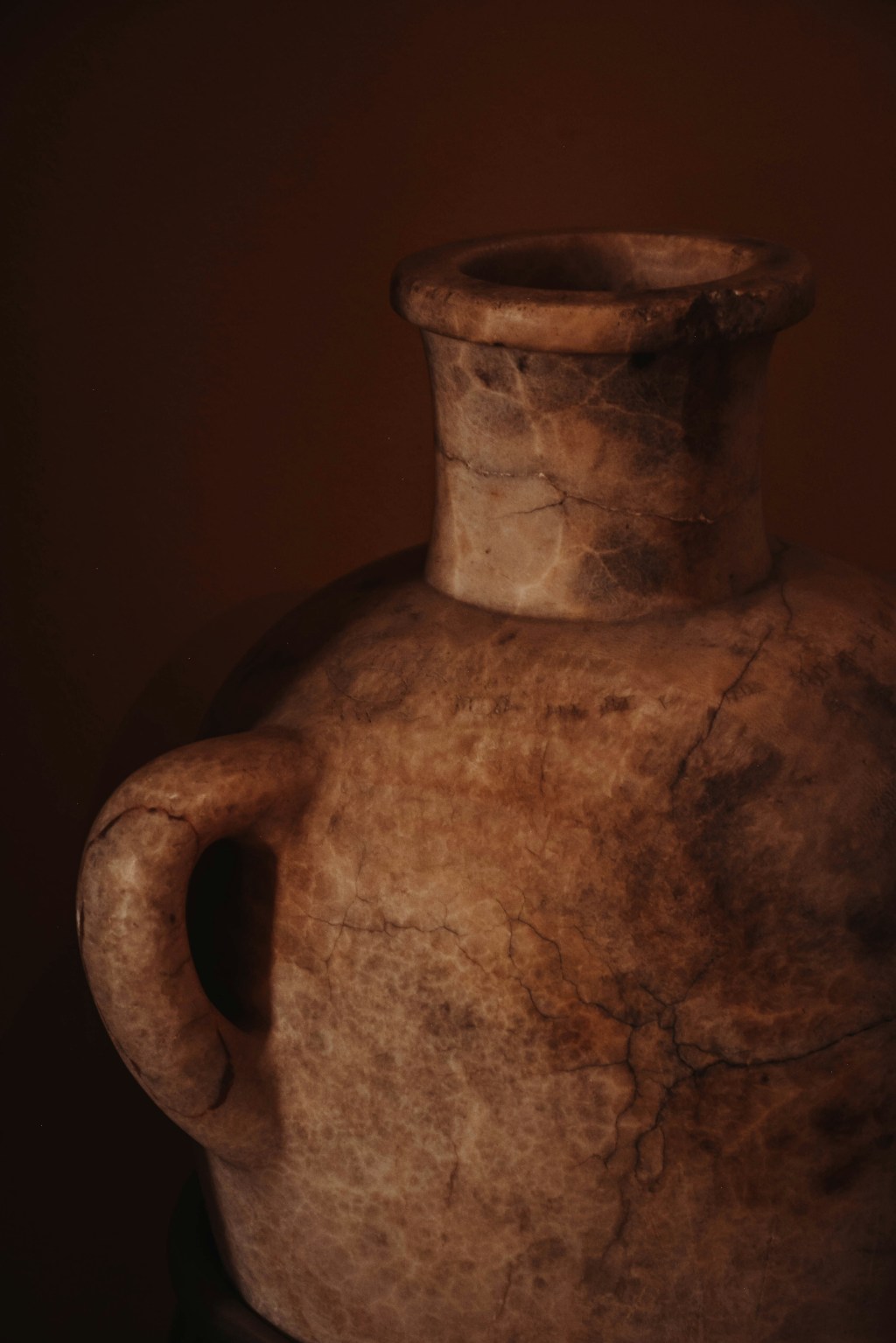
36 When one of the Pharisees invited Jesus to have dinner with him, he went to the Pharisee’s house and reclined at the table. 37 A woman in that town who lived a sinful life learned that Jesus was eating at the Pharisee’s house, so she came there with an alabaster jar of perfume. 38 As she stood behind him at his feet weeping, she began to wet his feet with her tears. Then she wiped them with her hair, kissed them and poured perfume on them. 39 When the Pharisee who had invited him saw this, he said to himself, “If this man were a prophet, he would know who is touching him and what kind of woman she is—that she is a sinner.” 40 Jesus answered him, “Simon, I have something to tell you.” “Tell me, teacher,” he said. 41 “Two people owed money to a certain moneylender. One owed him five hundred denarii, and the other fifty. 42Neither of them had the money to pay him back, so he forgave the debts of both. Now which of them will love him more?” 43 Simon replied, “I suppose the one who had the bigger debt forgiven.” “You have judged correctly,” Jesus said. 44 Then he turned toward the woman and said to Simon, “Do you see this woman? I came into your house. You did not give me any water for my feet, but she wet my feet with her tears and wiped them with her hair. 45 You did not give me a kiss, but this woman, from the time I entered, has not stopped kissing my feet. 46 You did not put oil on my head, but she has poured perfume on my feet. 47 Therefore, I tell you, her many sins have been forgiven—as her great love has shown. But whoever has been forgiven little loves little.” 48 Then Jesus said to her, “Your sins are forgiven.” 49 The other guests began to say among themselves, “Who is this who even forgives sins?” 50Jesus said to the woman, “Your faith has saved you; go in peace.”
Luke 7:36-50
The story of the woman and the alabaster jar is well-known, but have you ever considered why she was crying, what led her to crash the party and what made her actions so scandalous? This passage defies the norms of the time it took place and the significance of these outrageous actions should not be overlooked. Let’s delve into the cultural implications of this story and appreciate the importance of its message.
Traditionally, when a teacher was invited to someone’s house for a feast, people from outside were often permitted to partake in the meal together regardless of their social class or connection. In the story, a woman attends the feast and sits amongst the many, which is acceptable. However, the scandal arises when she approaches Jesus and shows him affection in a way that is considered shocking to the Jewish people. She undoes her hair and pours close to a year’s wages worth of nard, a perfume given to her at her marriage. This symbolizes that Jesus was more significant to her than her marriage, and the gifts given to her by her husband’s family. Her need to see and worship Jesus was more important than her reputation. If we examine who she might be, she is quite well known and is considered a “sinner” by Simon the Pharisee and others in the room. Historically, she is often referred to as a prostitute by those who interpret this passage, although we are uncertain of her exact identity.
The story of the woman who anointed Jesus’ feet reveals a profound truth about Jesus that shatters our perception of what many consider to be the culturally correct way of receiving salvation. The Pharisee Simon had a certain picture in mind of what salvation would mean for the woman – that she must obey the laws and follow the customs of the church, in her case, the old Jewish customs and laws of the synagogue. She had to face her persecution and live a worthy life before considering herself saved and forgiven of her sins.
But this woman did something different, and Jesus accepted her. He looked at her heart more than the raw manner of her repentance. By anointing his feet, she expressed her love for Jesus in the only way she knew how. The temple priests and Pharisees would not accept her and labelled her as unclean – someone and something to be avoided. But Jesus considered her accepted and forgiven.
This story challenges us to rethink our understanding of salvation. Jesus did not require the woman to follow cultural norms or laws to be forgiven. Instead, he accepted her for who she was, and forgave her sins. This message of love and acceptance is just as relevant today as it was then. We should all strive to be more like Jesus, accepting and forgiving those who may not fit into our preconceived notions of what is right.
The greatness of our God is evident in his unconditional acceptance of us. This acceptance is his immense love for his people, regardless of our backgrounds. Should we limit our expression of love for God to culturally appropriate, or should we reciprocate his extravagant love for us by expressing our love for him in reflection of h what we consider the same way?
How will you respond to God’s love for you today?







 T H E O P H I L U S
Leave a comment